
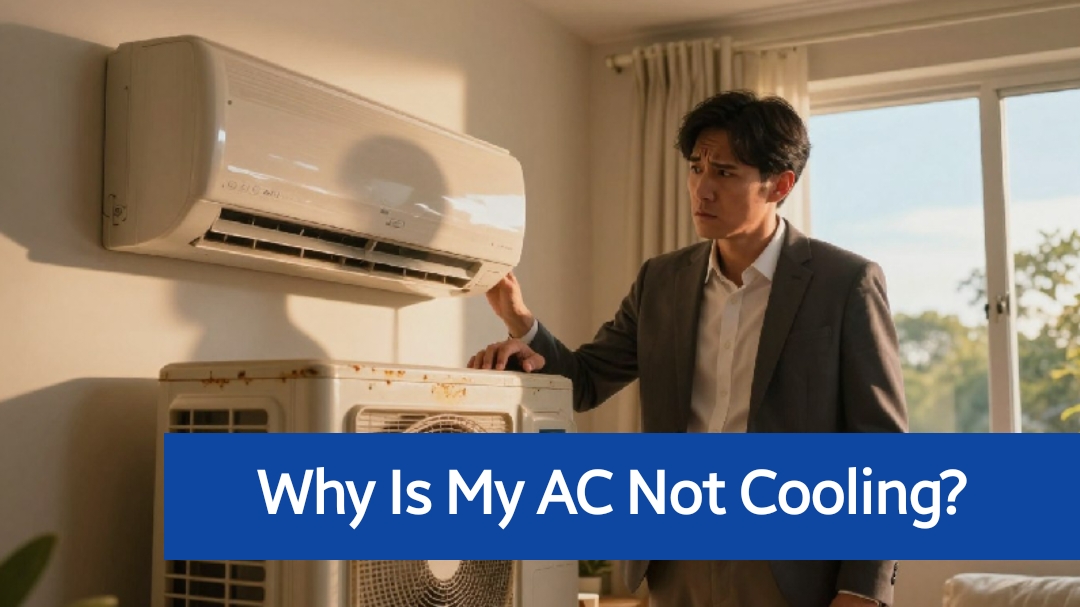
Why Is My AC Not Cooling? 12 Common Causes and Fixes

This guide offers a practical way to check your climate control system. It covers 12 common causes, including simple dirty filters, blocked vents, complex refrigerant leaks, and compressor failure.
We explain which maintenance tasks you can safely handle and which technical repairs need a licensed HVAC professional. These steps can help you master fixing ac cooling issues and restore comfort to your living space.
Key Takeaways
- Identify simple maintenance tasks like replacing air filters to improve airflow.
- Learn to spot signs of frozen evaporator coils or blocked outdoor units.
- Understand when a problem requires professional electrical or mechanical intervention.
- Recognize the symptoms of low refrigerant levels that demand expert handling.
- Discover how regular system inspections prevent future performance failures.
Start Here: Why Is My AC Not Cooling?
If your ac not blowing cold air, do not panic. The cause may be simpler than you think. Basic checks can often show why your system cannot maintain a comfortable temperature.
Confirm the AC Is Running and Set to Cool
Check the thermostat mode, temperature setting, fan setting, and batteries
Set your thermostat to "cool," not "heat" or "off." Set the target temperature at least five degrees below the room temperature. If the display is blank, your air conditioner not working properly may need new batteries.
Check whether the blower is set to "on" or "auto." The "on" setting runs the fan continuously, even without cooling. Set it to "auto" so the fan runs only during active cooling.

Inspect the Indoor and Outdoor Units
Look for power problems, unusual sounds, ice, water leaks, or restricted airflow
Inspect the indoor air handler and outdoor condenser unit. Check the electrical panel for tripped breakers that cut power. Listen for grinding or clicking sounds, which may signal a mechanical issue needing professional help.
Look for ice on the refrigerant lines or evaporator coil. This is a common cause of an air conditioner not working properly. Also check for water near the unit or debris blocking outdoor vents, which can cause ac not blowing cold air.
Follow Basic Safety Steps Before Troubleshooting
Turn off power before opening panels and avoid handling electrical or refrigerant components
Make safety your top priority when inspecting HVAC equipment. Before opening service panels or cleaning internal parts, always turn off the power at the disconnect box or main breaker panel. This helps prevent electrical shock near the unit.
Do not touch electrical wiring, capacitors, or refrigerant lines. These parts may hold dangerous charges or contain pressurized chemicals. If you suspect an internal problem, contact a licensed technician for repairs.
Airflow Problems That Stop an AC From Cooling
Many common ac problems come from simple airflow restrictions. When air cannot move through your HVAC system, the unit struggles to transfer heat. This causes poor performance and higher energy bills.
A Dirty or Clogged Air Filter
How to check the filter
The air filter protects your system first. Find the filter slot near your air handler or return vent. Hold it up to a light; replace it if you cannot see through it.
How to replace it and improve future filter maintenance
Slide the old filter out and note the arrow showing airflow direction. Always install the new filter with the arrow pointing toward the blower motor. Set a recurring calendar reminder to check your filter every 30 to 90 days.

Blocked or Closed Supply Vents
How to inspect registers, furniture placement, and room-to-room airflow
Supply registers must stay clear so cool air can enter your living space. Walk through each room to ensure rugs, curtains, or heavy furniture do not cover the vents. Even partial blockages can disrupt your home's pressure balance.
How to reopen vents and remove common obstructions
If you find a closed register, use a screwdriver or its built-in lever to open the louvers fully. Clear debris or dust bunnies from the edges. Maintaining clear pathways is essential for efficient cooling throughout your home.
A Dirty Evaporator Coil
Signs that dust buildup is restricting heat transfer
The evaporator coil absorbs heat from your indoor air. If the coil becomes coated in dust or grime, it acts as an insulator, preventing refrigerant from cooling air properly. You may notice lukewarm air from the vents, even while the system runs constantly.
When to clean the coil and when to schedule professional service
You can sometimes remove light surface dust with a soft brush, but coils are delicate and bend easily. If you suspect major buildup, call a technician for professional cleaning. This is a vital part of troubleshooting ac issues and requires special tools to prevent fin damage.
A Blocked or Damaged Return Air Duct
How to identify weak return airflow and disconnected ductwork
Return ducts pull air from your home back into the system for cooling. If the intake vent has little suction, a blockage or disconnected duct may be in your attic or crawlspace. Listen for whistling, which often signals air leaking from a loose connection.
Ways to clear accessible blockages and seal minor duct leaks
You can often clear obstructions, such as insulation or debris, from the intake grille yourself. For minor leaks at duct joints, use high-quality foil tape to seal gaps. However, contact an HVAC professional if you find large tears or collapsed sections, ensuring proper ductwork repair.
Outdoor and Mechanical Causes of an AC Not Blowing Cold Air
When your air conditioner stops blowing cold air, check outside your back door. Indoor problems are common, but the outdoor condenser drives heat away from your home. Learning these parts supports effective hvac troubleshooting tips.

A Dirty Outdoor Condenser Coil
How debris and overgrown vegetation reduce heat release
Your condenser coil uses airflow to release heat from inside your house. Grass clippings, leaves, and bushes can surround the unit and block this airflow. The system then works harder and may lose all cooling power.
How to safely clear the area and rinse the coil
Trim vegetation at least two feet from the unit. Remove loose debris by hand or with a soft brush. For deeper cleaning, rinse the coils from inside out using a low-pressure garden hose and standard ac maintenance tips.
A Malfunctioning Condenser Fan
Warning signs such as a silent fan, overheating, or warm air from the outdoor unit
The condenser fan pulls air through the coils. If the fan stays silent while running, or the top blows warm air, its motor may have failed. A broken fan stops heat transfer, causing the compressor to overheat and shut down.
Why electrical testing and fan motor repairs require an HVAC professional
Fan motors use high-voltage connections that create serious safety risks. Without training, diagnosing or replacing these parts can cause severe injury. Always hire a licensed technician for motor repairs or electrical testing.
A Failed Capacitor or Electrical Component
Symptoms of clicking, humming, hard starting, or intermittent cooling
A capacitor gives fan and compressor motors the energy needed to start. Signs of failure include humming, difficult starting, or cooling that cuts in and out. Clicking may mean the component cannot engage the system.
Why homeowners should not test or replace capacitors without proper training
Capacitors can hold a lethal charge after the power is off. Touching the wrong terminals can cause a dangerous shock. For safety, qualified professionals should handle electrical testing and replacement.
A Frozen Evaporator Coil or Refrigerant Line
How to recognize ice buildup and what causes it
Ice buildup looks like white frost or thick ice on refrigerant lines or the evaporator coil. Restricted airflow or low refrigerant levels often cause this problem. Moisture freezes on cold metal when the system cannot absorb heat properly.
How to turn off cooling, run the fan, and avoid damaging the compressor
If you see ice, turn off cooling immediately to prevent permanent compressor damage. Set the thermostat to "Fan Only" to melt the ice faster. After thawing, check filters and clear obstructions before restoring cooling.
Refrigerant, Thermostat, and System Problems
When basic maintenance does not restore cold air, inspect your unit’s mechanical and electrical health. Learning how to troubleshoot ac problems starts with finding simple errors or serious hardware failures.
Low Refrigerant From a Leak
Common symptoms, including weak cooling, hissing sounds, and recurring ice
Refrigerant powers your cooling system, and a leak can quickly reduce performance. You may notice weak cooling even when the unit runs constantly, plus hissing near the lines or ice on the evaporator coils.
Why adding refrigerant alone does not fix the leak
Many homeowners believe adding refrigerant will solve the problem. However, refrigerant runs in a closed loop and should not run low without a puncture or loose connection. Adding more without sealing the leak only delays the same problem.
An Incorrect or Failing Thermostat
How to verify calibration, batteries, wiring, and temperature readings
The problem may involve the thermostat, not the AC unit itself. Check these items to find out whether the thermostat is the culprit:
- Replace old batteries to ensure a consistent power supply.
- Check the wiring behind the faceplate for loose or corroded connections.
- Verify that the temperature reading matches the actual room temperature.
- Ensure the device is set to "Cool" mode rather than "Fan" or "Heat."
When thermostat replacement or professional diagnosis is appropriate
If the display is blank or the AC does not start, the thermostat may be faulty. After checking the wiring and batteries, consider replacing it. A professional can confirm whether the control board caused the failure.
A Failing Compressor
Signs of compressor trouble and how it affects cooling performance
The compressor circulates refrigerant and serves as the outdoor unit’s heart. Loud grinding, clanking, or trouble starting may signal compressor failure. Because it supports heat exchange, failure can make the system blow warm air.
Repair-versus-replacement considerations for an older AC system
Replacing a compressor is a major, expensive repair. If your system is over ten years old, replacing the entire unit may cost less. A new system offers better energy efficiency and modern features.
An Undersized, Aging, or Poorly Maintained AC System
How installation size, ductwork, insulation, and system age affect comfort
An undersized AC system may run constantly without reaching the desired temperature. Leaky ducts or poor insulation also make the system work harder. Over time, this strain causes early wear on internal parts.
When routine AC maintenance, a load calculation, or replacement is the best fix
Schedule regular professional tune-ups to support lasting comfort. If your home stays uncomfortable, a technician can perform a load calculation to check the unit’s size. If it is outdated or undersized, replace it with a modern, properly sized system.
Conclusion
Solving home climate problems starts with a logical approach. Check your thermostat settings, power supply, air filters, and vent positions first. These simple steps often explain why is my ac not cooling without expensive tools.
Persistent performance drops often signal deeper mechanical failures. Dirty coils, refrigerant leaks, electrical faults, and failing compressors need professional HVAC technicians. These experts have the specialized equipment for fixing ac cooling issues safely and effectively.
Use routine maintenance to prevent recurring breakdowns and fix small symptoms early. This saves money and extends your cooling system's lifespan. Quick fixes, such as adding refrigerant without repairing leaks, can cause long-term damage.
Contact a licensed professional to keep your unit operating at peak efficiency throughout the summer heat.
FAQ
Why is my AC not cooling my home even when the thermostat is set low?
What should I do if I notice my air conditioner not working properly?
What are the most common AC problems that lead to warm air blowing from vents?
Do you have any quick hvac troubleshooting tips for homeowners?
How can I begin fixing AC cooling issues caused by poor airflow?
What are some essential ac maintenance tips to prevent future breakdowns?
Why is my ac not blowing cold air even though the outside unit is humming?
Recommended Videos
You may also like
 Why Is My AC Not Cooling? 12 Common Causes and Fixes